In 1990, Witness Lee said, “We should not preach the shallow gospel that Christianity preaches.” “Although this is the gospel,” he said, “it is a low gospel.” In its place he set “the high gospel that we preach” (A Deeper Study of the Divine Dispensing, Chapter 2 ↗).
But the gospel Lee called low is the one the apostles preached. And his high gospel leaves out the heart of theirs: a grace that does more than forgive sinners. It sets them free from slavery to sin.
“We should not preach the shallow gospel that Christianity preaches. That gospel tells people that they have sinned and must suffer the punishment of hell, but that God has had pity on them and has given His beloved Son to die for them to redeem them and to resurrect for them, and that as long as they repent and believe in Him, they will receive eternal life and will go to heaven. It tells them further that although the world is full of sufferings, they can trust in Him, learn to do good, and glorify God. Although this is the gospel, it is a low gospel. The high gospel that we preach says that the Word who was God from the beginning became flesh, passed through human living, was crucified, resurrected, and has become the life-giving Spirit to accomplish the great work of the divine dispensing.”
What Lee called low, side by side
Every line of the gospel Lee called low can be matched with the apostles’ own words. The gospel he called high cannot. Read his “low” gospel again: God “has given His beloved Son to die for them to redeem them.” Of that gospel Lee said, “We should not preach the shallow gospel that Christianity preaches” (A Deeper Study of the Divine Dispensing, Chapter 2 ↗). Neither the word “dispense” nor the idea of God “dispensing Himself into us” appears in any apostolic summary of the gospel.
What Lee called “low”
- People have sinned and face punishmentRomans 3:23; 6:23
- God gave His Son to die for them to redeem them1 Corinthians 15:3; Mark 10:45
- Those who repent and believe receive eternal lifeActs 20:21; John 3:16
- Trust in Him, learn to do good, and glorify GodTitus 2:14; Ephesians 2:10
What Lee called “high”
- “…crucified, resurrected, and has become the life-giving Spirit to accomplish the great work of the divine dispensing”A Deeper Study of the Divine Dispensing, ch. 2
- “He will dispense Himself into us. This is the gospel.”A Deeper Study of the Divine Dispensing, ch. 2
No sermon in Acts describes the gospel as divine dispensing. Every line in the first column is apostolic preaching.
What the apostles preached
Paul tells the Corinthians exactly what gospel he preached and what came first in it: “I delivered to you first of all that which I also received: that Christ died for our sins according to the Scriptures, and that He was buried, and that He rose again the third day according to the Scriptures” (1 Corinthians 15:3–4). Lee’s high gospel keeps the crucifixion but not its reason. Christ “was crucified,” and the purpose named is “the divine dispensing.” Paul names a different purpose: Christ died “for our sins.” Lee kept the word redemption; in the same message he says Christ “accomplished the work of redemption.” But in his telling it is a step on the way to dispensing. And of the gospel that puts it first, he said, “We should not preach the shallow gospel that Christianity preaches” (A Deeper Study of the Divine Dispensing, Chapter 2 ↗).
After the resurrection, Jesus told the apostles what to preach: “that repentance and remission of sins should be preached in His name to all nations” (Luke 24:47). They did. The apostles did not go from city to city preaching “God’s economy” or “the divine dispensing.” Every sermon in Acts preaches Christ’s death and resurrection and calls people to repent and believe. That is what Lee filed under the low gospel.
Repentance in these sermons is not only a change of opinion. Paul told Agrippa that Christ sent him “to turn them from darkness to light, and from the power of Satan to God,” and that he preached “that they should repent, turn to God, and do works befitting repentance” (Acts 26:18, 20). The gospel calls people to turn, and Christ gives them the power to do it.
- “Repent, and let every one of you be baptized… for the remission of sins”Peter, at PentecostActs 2:38
- “Repent therefore and be converted, that your sins may be blotted out”Peter, at the TempleActs 3:19
- “Whoever believes in Him will receive remission of sins”Peter, to CorneliusActs 10:43
- “Through this Man is preached to you the forgiveness of sins”Paul, at Antioch in PisidiaActs 13:38
- “God… now commands all men everywhere to repent”Paul, at AthensActs 17:30
- “Repentance toward God and faith toward our Lord Jesus Christ”Paul, to the Ephesian eldersActs 20:21
- “That they should repent, turn to God, and do works befitting repentance”Paul, before King AgrippaActs 26:20
Each sermon calls for repentance or promises the forgiveness of sins. None mentions dispensing.
Ransomed from slavery to sin
The angel gave the reason for Jesus’ name: “He will save His people from their sins” (Matthew 1:21). Not just from the punishment, but from the sins themselves. Lee’s high gospel names a different purpose, “the divine dispensing,” and it has no call to repent or turn from sin. Lee put repentance in the gospel he called low: “as long as they repent and believe in Him, they will receive eternal life… Although this is the gospel, it is a low gospel” (A Deeper Study of the Divine Dispensing, Chapter 2 ↗).
Jesus said He came “to give His life a ransom for many” (Mark 10:45), and He said who the captives are: “Whoever commits sin is a slave of sin… Therefore if the Son makes you free, you shall be free indeed” (John 8:34, 36). A ransom sets a captive free. In the same 1990 message, Lee says Christ “will dispense Himself into us” (A Deeper Study of the Divine Dispensing, Chapter 2 ↗). That passage never says what Christ frees us from.
Peter says believers were redeemed “from your aimless conduct… with the precious blood of Christ” (1 Peter 1:18–19), and that Christ “bore our sins in His own body on the tree, that we, having died to sins, might live for righteousness” (1 Peter 2:24). Paul says the same: “He died for all, that those who live should live no longer for themselves, but for Him who died for them and rose again” (2 Corinthians 5:15). The cross pays for sin, and it breaks sin’s hold.
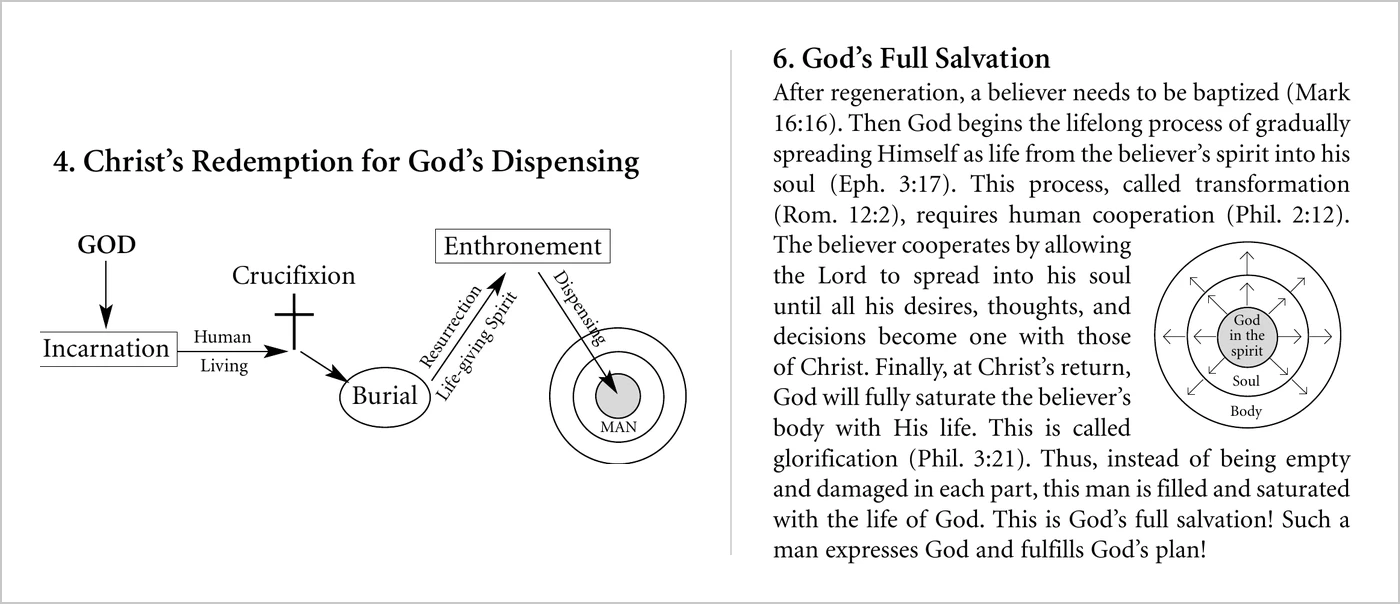
LSM’s gospel tract, The Mystery of Human Life, is fuller than the 1990 sentence. It says sin “damaged all three parts of man,” that Christ “died on the cross to redeem man… taking away his sin,” and that “man needs to repent to God and believe in the Lord Jesus Christ.” Its prayer says, “Lord Jesus, forgive me. Cleanse me from all my sins.” It also describes a lifelong transformation in which the believer’s “desires, thoughts, and decisions become one with those of Christ.” But the frame is the same. Its heading for the cross is “Christ’s Redemption for God’s Dispensing.” Sin matters because “in this condition, man could not receive God.” And salvation ends this way: “instead of being empty and damaged in each part, this man is filled and saturated with the life of God.” In the tract, the cross serves the dispensing, and the goal is a vessel filled with God so that man can express Him.
Two gospels, side by side

Set the two gospels side by side. In Lee’s high gospel, the processed Triune God becomes the life-giving Spirit and dispenses Himself into us, filling us so that we are “no longer empty” (A Deeper Study of the Divine Dispensing, Chapter 2 ↗). That 1990 passage has no call to repent or turn from sin. In the apostles’ gospel, we are slaves of sin (John 8:34). Christ dies for our sins and rises again (1 Corinthians 15:3–4). The chains break (John 8:36), and we are born again, set free to live for Him (1 John 3:9; 2 Corinthians 5:15).
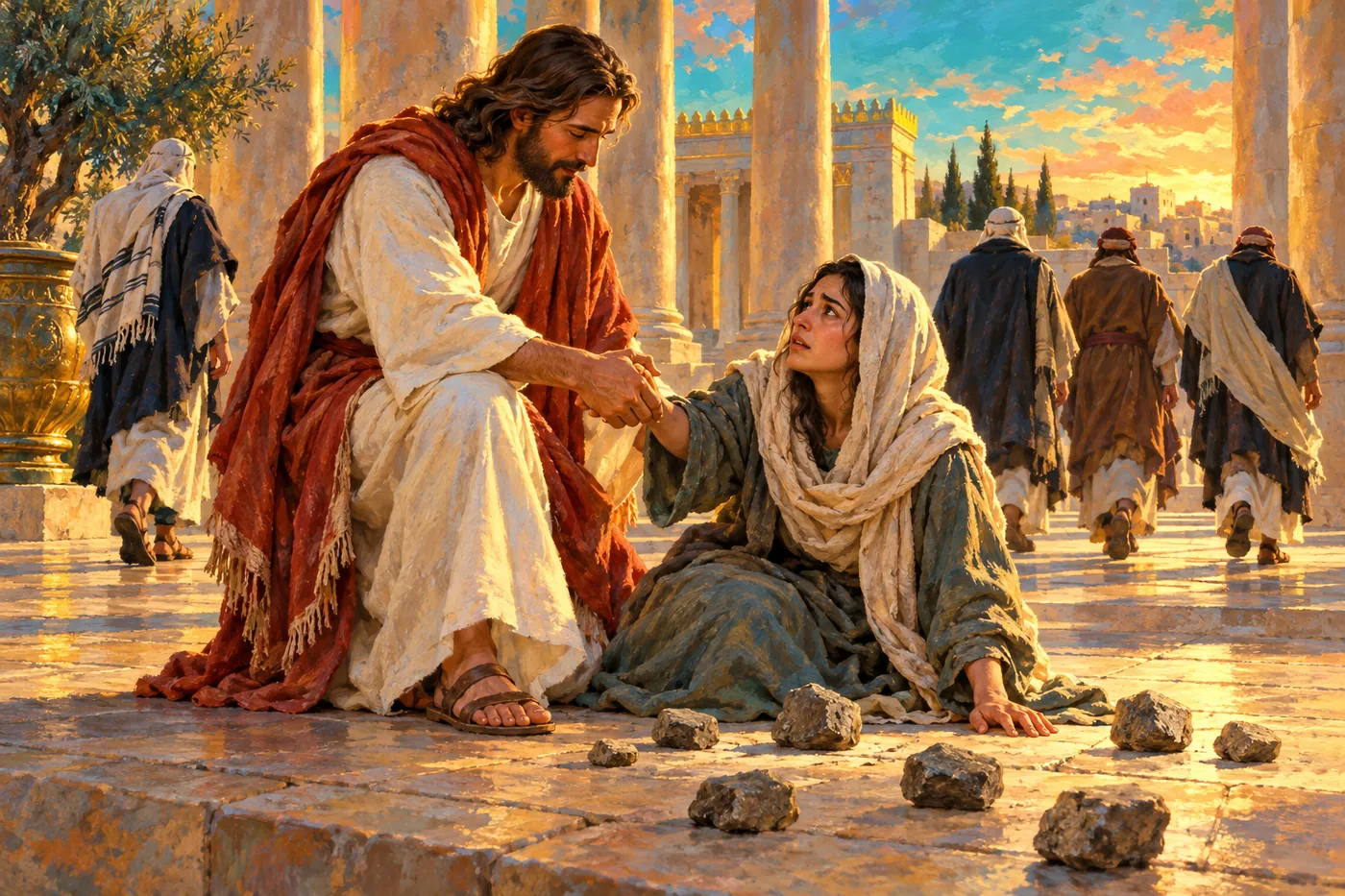
Paul builds Romans 6 on this. “Shall we continue in sin that grace may abound? Certainly not!” Our old man was crucified with Him, “that we should no longer be slaves of sin” (Romans 6:1–2, 6). Grace is not the reason sin no longer matters. It is the reason sin no longer rules: “sin shall not have dominion over you, for you are not under law but under grace” (6:14). And Paul gives two roads with two ends. Set free from sin: “the end, everlasting life.” Slaves of sin: “the end of those things is death” (6:21–22). Lee puts both roads inside salvation.
| Paul, Romans 6 | Witness Lee |
|---|---|
| “Having been set free from sin”The end: “everlasting life”Romans 6:22 | Set free from sinThe end: eternal life, plus a kingdom rewardLife-Study of Galatians, Msg. 27 |
| “Slaves of sin”The end: “the end of those things is death”Romans 6:20–21 | Practicing the works of the fleshThe end: still eternal life, after losing “the coming kingdom as a reward”Life-Study of Galatians, Msg. 27 |
Same sins, two verdicts
Paul names the sins: “Neither fornicators, nor idolaters, nor adulterers… nor thieves, nor covetous, nor drunkards… will inherit the kingdom of God. And such were some of you. But you were washed, but you were sanctified, but you were justified” (1 Corinthians 6:9–11). When Paul gives the Galatians the same warning, “those who practice such things will not inherit the kingdom of God” (Galatians 5:21), Lee’s Life-Study of Galatians ↗ says the verse “is not related to a believer’s salvation” (Life-Study of Galatians, msg. 27 ↗). Same sins, same warning. Paul draws the line between the lost and the washed. Lee draws it between rewarded and unrewarded believers.
Paul
- “Fornicators… idolaters… thieves… drunkards… will not inherit the kingdom of God”1 Corinthians 6:9–10
- “And such were some of you. But you were washed”1 Corinthians 6:11
- “Those who practice such things will not inherit the kingdom of God”Galatians 5:21
The line runs between the lost and the washed.
Witness Lee
- “It is not related to a believer’s salvation”Life-Study of Galatians, Msg. 27
- “Those believers who practice the works of the flesh… will not inherit the coming kingdom as a reward”Life-Study of Galatians, Msg. 27
The line runs between rewarded and unrewarded believers.
That does not mean a Christian never stumbles. “If we confess our sins, He is faithful and just to forgive us our sins and to cleanse us from all unrighteousness” (1 John 1:9). “And if anyone sins, we have an Advocate with the Father, Jesus Christ the righteous” (2:1). A believer who falls confesses, turns back, and is cleansed by the same blood that ransomed him. Stumbling is not the danger. Going back to slavery is: living in sin as if grace made it safe.
- “By grace you have been saved through faith… not of works”“…created in Christ Jesus for good works”Ephesians 2:8–10
- “You are not under law but under grace”“Sin shall not have dominion over you”Romans 6:14
- “Having been set free from sin”“…and the end, everlasting life”Romans 6:22
- “The grace of God that brings salvation has appeared”“…teaching us that, denying ungodliness… we should live soberly, righteously, and godly”Titus 2:11–12
- “He died for all”“…that those who live should live no longer for themselves, but for Him”2 Corinthians 5:15
- “Who Himself bore our sins in His own body on the tree”“…that we, having died to sins, might live for righteousness”1 Peter 2:24
- “And such were some of you”“…but you were washed, but you were sanctified, but you were justified”1 Corinthians 6:11
- “If we confess our sins”“…He is faithful and just to forgive us our sins and to cleanse us from all unrighteousness”1 John 1:9
Each verse ties God’s grace to freedom from sin.
Two kinds of grace
Paul tells Titus that “the grace of God that brings salvation” is “teaching us that, denying ungodliness and worldly lusts, we should live soberly, righteously, and godly,” and that Christ gave Himself “that He might redeem us from every lawless deed and purify for Himself His own special people, zealous for good works” (Titus 2:11–14). We are saved “by grace… not of works,” Ephesians says, because we are “created in Christ Jesus for good works” (Ephesians 2:8–10). The grace that saves is the same grace that trains.
Compare Lee’s grace. In the same 1990 message he says that when Christ is dispensed into us, “He becomes our grace and our reality so that we have substance and are no longer empty.” Lee’s grace fills an emptiness. Paul’s grace teaches us to say no to sin. Lee even listed “learn to do good, and glorify God” (A Deeper Study of the Divine Dispensing, Chapter 2 ↗) in his low gospel. In the apostles’ gospel, that is not the low part. It is what grace is for.
Paul
- “Teaching us that, denying ungodliness and worldly lusts, we should live soberly, righteously, and godly”Titus 2:12
- “That He might redeem us from every lawless deed”Titus 2:14
- “Created in Christ Jesus for good works”Ephesians 2:10
Grace that says no to sin.
Witness Lee
- “He becomes our grace and our reality so that we have substance and are no longer empty”A Deeper Study of the Divine Dispensing, ch. 2
- “Learn to do good, and glorify God”: part of the “low gospel”A Deeper Study of the Divine Dispensing, ch. 2
Grace that fills an emptiness.
Where Lee’s system leaves freedom from sin
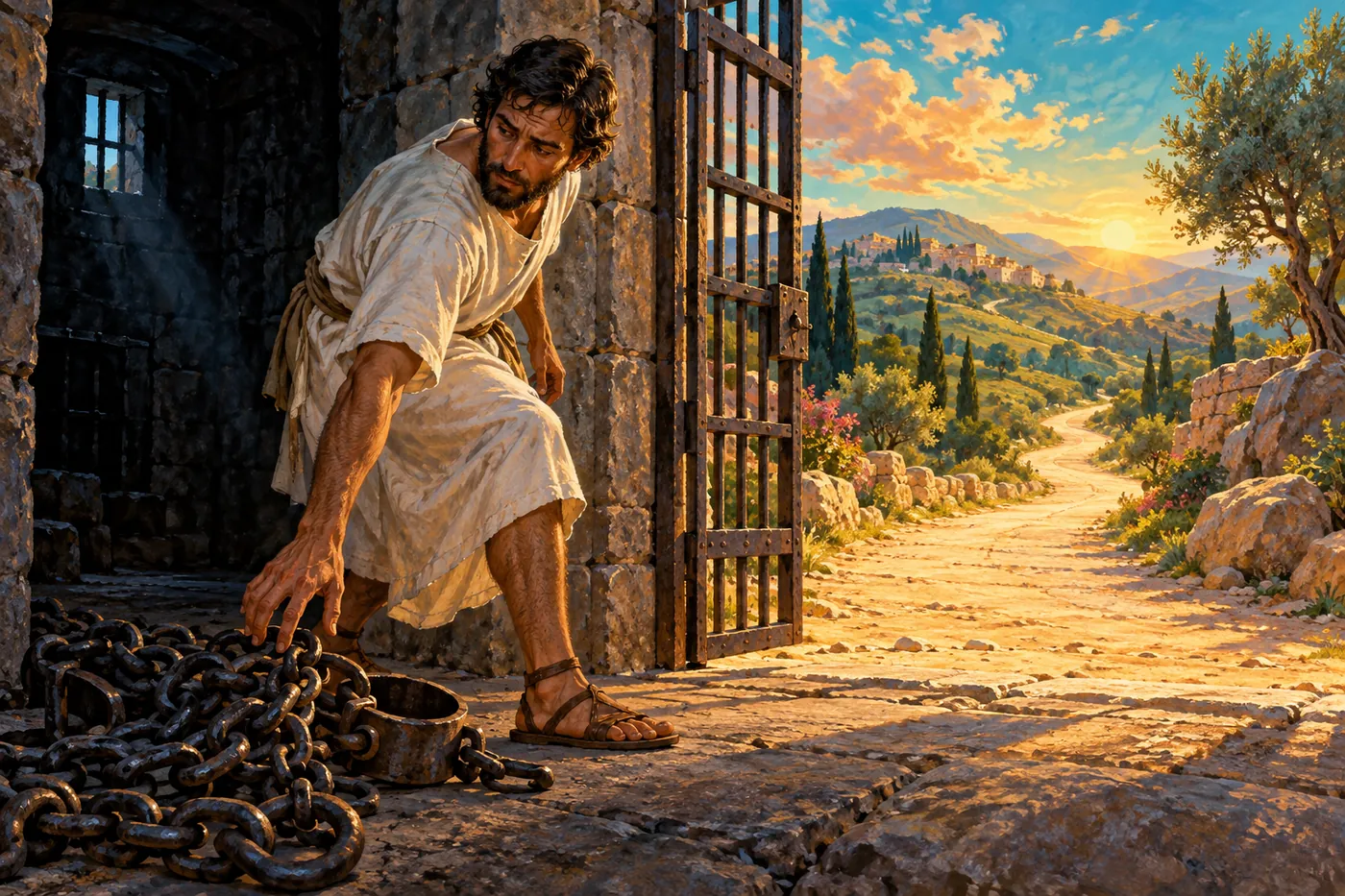
Lee’s system does more than leave freedom from sin out of the gospel. It moves it out of salvation altogether. In his teaching, a life of sin costs a believer only “the coming kingdom as a reward” (Life-Study of Galatians, msg. 27 ↗). His Life-Study of Hebrews goes further: “Whatever we have done, whatever we are doing, and whatever we shall do cannot affect our salvation” (Life-Study of Hebrews, msg. 46 ↗).
That turns Romans 6 upside down. Paul says the end of slavery to sin is death. In Lee’s system a believer can stay a slave of sin to the end of his life and still reach everlasting life, a thousand years later. Freedom from sin becomes extra credit for overcomers, when the apostles preached it as part of what it means to be saved.
Lee saw this clearly in his Life-Study of 1 John. There he writes that no child of God “practices sin habitually,” that someone who lies continually “probably has not been born of God,” and that the one who practices sin “has not seen Him or known Him… This is the condition of an unbeliever” (Life-Study of 1 John, msg. 26 ↗). But he never asked why. John gives the reason those born of God do not live in sin, and it is the gospel itself: “For this purpose the Son of God was manifested, that He might destroy the works of the devil. Whoever has been born of God does not sin, for His seed remains in him” (1 John 3:8–9). Lee said it in 1 John and took it back in Galatians. And the reason behind it, a gospel that frees slaves of sin, never made it into the gospel he told his followers to preach.
Jude warned about teachers “who turn the grace of our God into lewdness” (Jude 4). A gospel that keeps grace, drops freedom from sin, and tells believers that nothing they do can affect their salvation invites exactly what Jude warned about.
“It is not related to a believer’s salvation. Those believers who practice the works of the flesh listed in these verses will not inherit the coming kingdom as a reward.”
“Whether one is a child of God or a child of the Devil is manifested by what he practices, righteousness or sin.”
Is the high gospel only a fuller gospel?
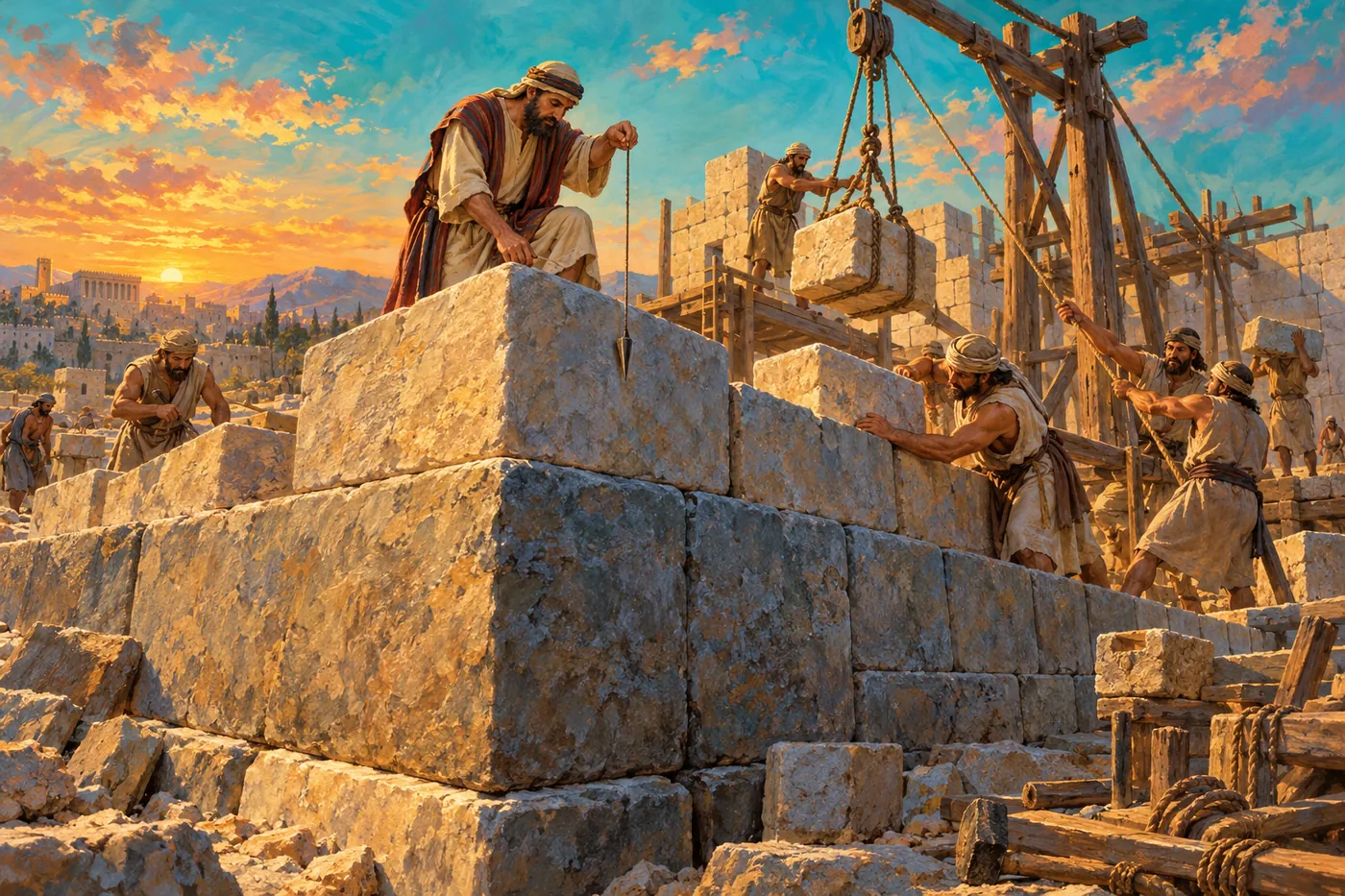
Lee’s defenders can say that the New Testament goes beyond the first proclamation. Paul declared “the whole counsel of God” (Acts 20:27), and to the mature he spoke “wisdom” (1 Corinthians 2:6). Hebrews urges its readers to move from milk to solid food: “leaving the discussion of the elementary principles of Christ, let us go on to perfection” (Hebrews 6:1). Christians should grow.
But look at what Hebrews calls those first principles: “the foundation of repentance from dead works and of faith toward God… of resurrection of the dead, and of eternal judgment” (Hebrews 6:1–2). Mature believers build on the foundation. They do not call it low, and they do not stop laying it for others. Paul spoke wisdom to the mature at Corinth, yet he says that among them he “determined not to know anything… except Jesus Christ and Him crucified” (1 Corinthians 2:2). Paul went deep, but he never stopped preaching the cross.
Some read Lee charitably: he only meant, “Do not stop at the core gospel.” That is not what he said. He did not build on the foundation. He told his followers not to preach it: “We should not preach the shallow gospel that Christianity preaches.” He admitted it “is the gospel” (A Deeper Study of the Divine Dispensing, Chapter 2 ↗) and still ranked what the apostles delivered “first of all” as low. Scripture distinguishes milk from solid food, but it never sorts the gospel itself into high and low. There is one gospel. Paul calls any other “a different gospel, which is not another” (Galatians 1:6–7). Putting a teacher’s own system in the apostles’ place is not going deeper into their gospel. It is replacing it.
A higher gospel for the few
Around AD 180, Irenaeus wrote against the Gnostics, teachers who claimed a higher knowledge than the faith the churches had received. The Valentinians, he reports, divided Christians into two classes. Ordinary church members were “animal men,” “established by their works, and by a mere faith, while they have not perfect knowledge.” Above them stood “the spiritual and perfect,” initiated into the mysteries, who held that they “shall be entirely and undoubtedly saved, not by means of conduct” (Against Heresies, Book I, Chapter 6 ↗).
Lee did not teach the Gnostics’ myths about creation or about Christ. But on the gospel he followed their pattern exactly. Ordinary Christianity has a “low” and “shallow” gospel of repentance, faith, and learning to do good. Lee’s movement preaches a “high gospel” (A Deeper Study of the Divine Dispensing, Chapter 2 ↗) that most believers have missed. And for the believer, final salvation does not depend on conduct: “whatever we shall do cannot affect our salvation” (Life-Study of Hebrews, msg. 46 ↗).
Paul warned Timothy about this kind of higher knowledge: “Guard what was committed to your trust, avoiding the profane and idle babblings and contradictions of what is falsely called knowledge—by professing it some have strayed concerning the faith” (1 Timothy 6:20–21). The word is gnōsis. The apostles did not hand down a key to the kingdom hidden from ordinary believers. They handed down one gospel, preached in the open to everyone.
“Animal men, again, are instructed in animal things; such men, namely, as are established by their works, and by a mere faith, while they have not perfect knowledge. We of the Church, they say, are these persons… But as to themselves, they hold that they shall be entirely and undoubtedly saved, not by means of conduct, but because they are spiritual by nature.”
| The Valentinians, as Irenaeus reports | Witness Lee |
|---|---|
| Church members are “animal men,” “established by their works, and by a mere faith”Against Heresies 1.6.2 · about 180 | “The shallow gospel that Christianity preaches… a low gospel”A Deeper Study of the Divine Dispensing, ch. 2 |
| The “spiritual and perfect” have “perfect knowledge” of the mysteriesAgainst Heresies 1.6.1–2 | “The high gospel that we preach”A Deeper Study of the Divine Dispensing, ch. 2 |
| The spiritual “shall be entirely and undoubtedly saved, not by means of conduct”Against Heresies 1.6.2 | “Whatever we shall do cannot affect our salvation”Life-Study of Hebrews, message 46 |
What the apostles would have said
The apostles did not leave the churches guessing. They gave them tests for teachers, and they named names. Paul warned Timothy about Hymenaeus and Philetus, “who have strayed concerning the truth, saying that the resurrection is already past; and they overthrow the faith of some” (2 Timothy 2:17–18). One error about the resurrection was enough for Paul to name them. Here are their tests, with Lee’s words beside them.
The first test is Paul’s, and he did not treat it as a difference of emphasis. “But even if we, or an angel from heaven, preach any other gospel to you than what we have preached to you, let him be accursed. As we have said before, so now I say again, if anyone preaches any other gospel to you than what you have received, let him be accursed” (Galatians 1:8–9). The word is anathema, devoted to destruction, and Paul says it twice. He puts himself and the angels under the same curse, so no one is exempt: not an apostle, not an angel, and not a teacher who claims to have seen further than the church. Paul’s test is not whether a message sounds higher. It is whether it is the gospel the churches “have received.” Lee told his followers not to preach that one: “We should not preach the shallow gospel that Christianity preaches” (A Deeper Study of the Divine Dispensing, Chapter 2 ↗).
Peter’s test is the sharpest, because it is about slavery. False teachers, he says, “speak great swelling words of emptiness.” And “while they promise them liberty, they themselves are slaves of corruption; for by whom a person is overcome, by him also he is brought into bondage” (2 Peter 2:18–19). Lee promised believers a security that nothing they do can touch, while leaving freedom from sin optional. That is a promise of liberty that leaves people in bondage.
Lee fails every one of these tests. Paul did not call teachers like this deeper. He called their message “a different gospel” and said such a message “will spread like cancer” (2 Timothy 2:17). Peter warned of “false teachers among you, who will secretly bring in destructive heresies,” and said that “many will follow their destructive ways, because of whom the way of truth will be blasphemed” (2 Peter 2:1–2). The apostles would not have welcomed Lee as the minister of a deeper revelation. By their own tests, they would have called him a false teacher and warned the churches to turn away.
- “If anyone preaches any other gospel to you than what you have received, let him be accursed”Lee: “We should not preach the shallow gospel that Christianity preaches”Galatians 1:9
- “Contend earnestly for the faith which was once for all delivered to the saints”Lee: a “high gospel” of divine dispensing that no apostle preachedJude 3
- “Who turn the grace of our God into lewdness”Lee: “Whatever we shall do cannot affect our salvation”Jude 4
- “While they promise them liberty, they themselves are slaves of corruption”Lee: practicing the works of the flesh “is not related to a believer’s salvation”2 Peter 2:19
- “What is falsely called knowledge—by professing it some have strayed concerning the faith”Lee: a higher gospel above “the shallow gospel that Christianity preaches”1 Timothy 6:20–21
- “Their message will spread like cancer… they overthrow the faith of some”Paul named teachers for a single error about the resurrection2 Timothy 2:17–18
Every test comes from the apostles. Lee fails each one.
How the apostles treated teachers like this
The apostles were not gentle with teachers who changed the gospel. They named them. Paul named Hymenaeus and Alexander, who “concerning the faith have suffered shipwreck,” and “delivered [them] to Satan that they may learn not to blaspheme” (1 Timothy 1:19–20). John named Diotrephes, “who loves to have the preeminence among them,” who would not receive the apostles and was “putting them out of the church” (3 John 9–10). Lee called his own work “the up-to-date continuation of the New Testament ministry” (Elders’ Training, Book 1, ch. 6 ↗). He called the elders who challenged him a rebellion instigated by the devil, and when the Anaheim elders resigned, he appointed their replacements himself.
They told the churches to stay away. “Note those who cause divisions and offenses, contrary to the doctrine which you learned, and avoid them. For those who are such do not serve our Lord Jesus Christ, but their own belly, and by smooth words and flattering speech deceive the hearts of the simple” (Romans 16:17–18). “If anyone comes to you and does not bring this doctrine, do not receive him into your house nor greet him” (2 John 10). Such teachers’ “mouths must be stopped,” Paul told Titus, because they “subvert whole households” (Titus 1:11).
They tested claims to apostolic authority, and they called the false ones what they were. Christ praised Ephesus because “you have tested those who say they are apostles and are not, and have found them liars” (Revelation 2:2). When teachers came to Corinth with “a different gospel,” Paul called them “false apostles, deceitful workers, transforming themselves into apostles of Christ” (2 Corinthians 11:4, 13).
The apostles did all this for the sake of the people being led astray, and in hope that the teachers themselves would turn: “in humility correcting those who are in opposition, if God perhaps will grant them repentance, so that they may know the truth, and that they may come to their senses and escape the snare of the devil” (2 Timothy 2:25–26). But they never treated a different gospel as a matter of taste. A teacher who called the apostles’ gospel “a low gospel” and said, “We should not preach the shallow gospel that Christianity preaches” (A Deeper Study of the Divine Dispensing, Chapter 2 ↗), would have been named, refused, and warned against in every church they wrote to.
The gospel of first importance
Paul was not embarrassed by the gospel Lee called low: “I am not ashamed of the gospel of Christ, for it is the power of God to salvation for everyone who believes” (Romans 1:16). It is the gospel of a Father who runs to meet a son coming home, and of a Son who frees slaves. It tells sinners the truth about their sin, offers them forgiveness through Christ’s blood, calls them to turn, and promises a grace strong enough to keep them from going back to the chains.
Growing in Christ means going deeper into that gospel, not graduating from it to a higher one. Jude urged believers “to contend earnestly for the faith which was once for all delivered to the saints” (Jude 3). And to anyone still enslaved, the promise is as simple as it was the day Jesus spoke it: “if the Son makes you free, you shall be free indeed” (John 8:36).
Scripture considered in this post
1Moreover, brethren, I declare to you the gospel which I preached to you, which also you received and in which you stand,
2by which also you are saved, if you hold fast that word which I preached to you—unless you believed in vain.
3For I delivered to you first of all that which I also received: that Christ died for our sins according to the Scriptures,
4and that He was buried, and that He rose again the third day according to the Scriptures,
Paul names the gospel he received and preached, and puts Christ’s death “for our sins” first of all. Lee called this message low.
46Then He said to them, “Thus it is written, and thus it was necessary for the Christ to suffer and to rise from the dead the third day,
47and that repentance and remission of sins should be preached in His name to all nations, beginning at Jerusalem.
Jesus himself tells the apostles what to preach: repentance and the forgiveness of sins.
18to open their eyes, in order to turn them from darkness to light, and from the power of Satan to God, that they may receive forgiveness of sins and an inheritance among those who are sanctified by faith in Me.’
19“Therefore, King Agrippa, I was not disobedient to the heavenly vision,
20but declared first to those in Damascus and in Jerusalem, and throughout all the region of Judea, and then to the Gentiles, that they should repent, turn to God, and do works befitting repentance.
Paul’s commission joins forgiveness with deliverance from the power of Satan, and repentance with a changed life.
17But God be thanked that though you were slaves of sin, yet you obeyed from the heart that form of doctrine to which you were delivered.
18And having been set free from sin, you became slaves of righteousness.
19I speak in human terms because of the weakness of your flesh. For just as you presented your members as slaves of uncleanness, and of lawlessness leading to more lawlessness, so now present your members as slaves of righteousness for holiness.
20For when you were slaves of sin, you were free in regard to righteousness.
21What fruit did you have then in the things of which you are now ashamed? For the end of those things is death.
22But now having been set free from sin, and having become slaves of God, you have your fruit to holiness, and the end, everlasting life.
Paul ties freedom from sin to everlasting life, and slavery to sin to death. Lee ties it only to a reward.
9Do you not know that the unrighteous will not inherit the kingdom of God? Do not be deceived. Neither fornicators, nor idolaters, nor adulterers, nor homosexuals, nor sodomites,
10nor thieves, nor covetous, nor drunkards, nor revilers, nor extortioners will inherit the kingdom of God.
11And such were some of you. But you were washed, but you were sanctified, but you were justified in the name of the Lord Jesus and by the Spirit of our God.
Paul reminds believers what they were, and what the gospel made them. Washing, sanctifying, and justifying come together.
8If we say that we have no sin, we deceive ourselves, and the truth is not in us.
9If we confess our sins, He is faithful and just to forgive us our sins and to cleanse us from all unrighteousness.
10If we say that we have not sinned, we make Him a liar, and His word is not in us.
2:1My little children, these things I write to you, so that you may not sin. And if anyone sins, we have an Advocate with the Father, Jesus Christ the righteous.
2And He Himself is the propitiation for our sins, and not for ours only but also for the whole world.
John writes so that believers may not sin, and promises forgiveness and cleansing to the believer who stumbles and confesses.
11For the grace of God that brings salvation has appeared to all men,
12teaching us that, denying ungodliness and worldly lusts, we should live soberly, righteously, and godly in the present age,
13looking for the blessed hope and glorious appearing of our great God and Savior Jesus Christ,
14who gave Himself for us, that He might redeem us from every lawless deed and purify for Himself His own special people, zealous for good works.
The grace that brings salvation also teaches believers to deny ungodliness. Christ gave himself to redeem them from lawlessness, not only from its penalty.
6I marvel that you are turning away so soon from Him who called you in the grace of Christ, to a different gospel,
7which is not another; but there are some who trouble you and want to pervert the gospel of Christ.
8But even if we, or an angel from heaven, preach any other gospel to you than what we have preached to you, let him be accursed.
9As we have said before, so now I say again, if anyone preaches any other gospel to you than what you have received, let him be accursed.
Paul measures every gospel by the one the churches received, and twice puts anyone who preaches another under a curse, himself and the angels included.
1Therefore, leaving the discussion of the elementary principles of Christ, let us go on to perfection, not laying again the foundation of repentance from dead works and of faith toward God,
2of the doctrine of baptisms, of laying on of hands, of resurrection of the dead, and of eternal judgment.
Hebrews calls repentance and faith the foundation that mature believers build on, not a lower gospel to be left behind.