Witness Lee’s doctrine depends on more than the biblical claim that the risen Christ gives life. He taught that, in resurrection, Christ himself became the life-giving Spirit and entered believers as the Holy Spirit. In Lee’s account, this is how the processed Triune God dispenses divine life and produces the Body of Christ.
Lee grounds this sequence in 1 Corinthians 15:45, where Paul calls the last Adam “a life-giving spirit.” But Lee builds a larger identification on that statement: Christ becomes the life-giving Spirit, the Spirit enters believers as the Holy Spirit, and this dispensing becomes the center of God’s work.
“In resurrection Christ as the last Adam became the life-giving Spirit and entered into His believers as the Holy Spirit.”
“This means that after His resurrection the Lord became the Spirit of reality.”
Lee’s dispensing sequence
- 1Incarnation, death, resurrection
- 2Christ becomes the life-giving Spirit
- 3Lee calls this Spirit the consummation of the processed Triune God
- 4Christ enters believers as the Holy Spirit
- 5Divine life is dispensed to build the Body
New Testament relationships
- 1The Spirit is active before resurrectionLuke 1:35; 3:22; Matthew 12:28
- 2The Spirit of the Father is tied to Jesus’ resurrectionRomans 8:11
- 3The Son asks the Father to send another HelperJohn 14:16–17
- 4The Spirit testifies to and glorifies the SonJohn 15:26; 16:13–14
Romans 8:11: the Spirit who raised Jesus was already present

11But if the Spirit of Him who raised Jesus from the dead dwells in you, He who raised Christ from the dead will also give life to your mortal bodies through His Spirit who dwells in you.
Paul describes the Spirit as the agent of Jesus’ resurrection and as the one who gives life to believers’ mortal bodies. That is the same life-giving work Lee says was only produced in resurrection.
Romans 8:11 does not fit Lee’s claim that resurrection “produced” the life-giving Spirit: Paul says the Spirit both raised Jesus and gives life to believers.
Paul does not describe a Spirit first produced by Christ’s resurrection. The Spirit was already there, already acting, and already giving life when Jesus rose.
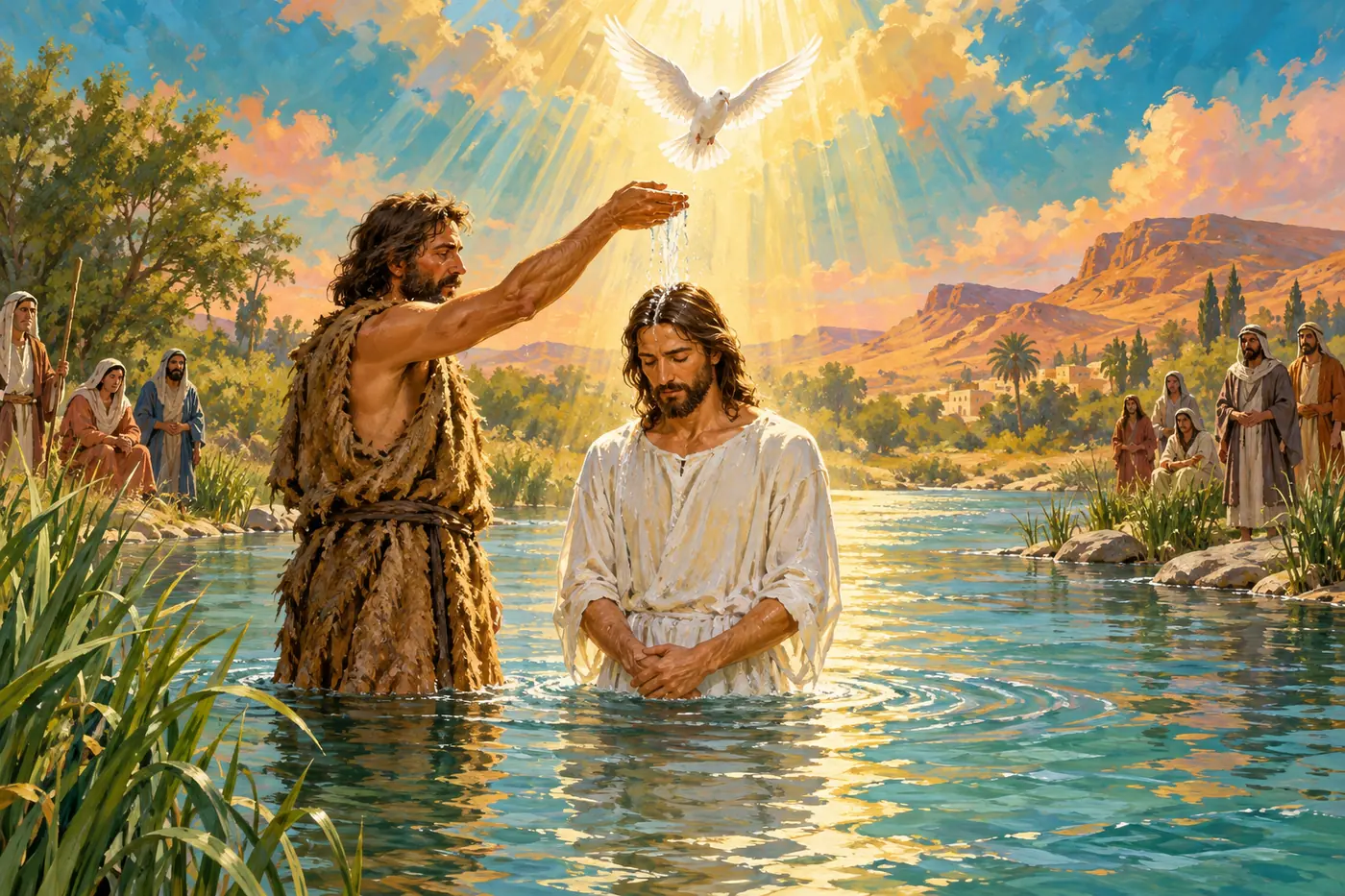
The rest of the Gospels confirms the point: the Holy Spirit was active in Jesus’ conception (Luke 1:35), at his baptism (Luke 3:22), and in his ministry (Matthew 12:28). The Spirit did not first appear at the resurrection, and Christ did not become the Spirit’s personal identity.
Lee’s “two life-giving Spirits” test turns back on his own teaching
Jane Carole Anderson ↗’s original 2020 argument identified an internal contradiction in Lee’s own formulas. Lee’s direct online texts make that contradiction plain. In Life-Study of 1 Corinthians ↗, he calls the teaching of two life-giving Spirits heretical. In Life-Study of Isaiah ↗, he says that before Christ’s resurrection “such a Spirit was not yet” and that Christ’s resurrection “produced the life-giving Spirit” (Life-Study of Isaiah, msg. 51 ↗). Romans 8:11, however, speaks of the Spirit who raised Jesus from the dead.
Lee’s own wording creates the problem he condemns: one Spirit already able to give life and raise Christ before resurrection, and another life-giving Spirit allegedly produced in resurrection. If Lee identifies both with the one Holy Spirit, then his claim that the life-giving Spirit did not exist before resurrection fails. If he distinguishes them, his own warning about two life-giving Spirits turns against his teaching.
“It is heretical to teach that there are two life-giving Spirits, two Spirits who give life.”
“Before Christ’s resurrection, such a Spirit was not yet. Christ’s resurrection produced the life-giving Spirit.”
Jesus distinguishes himself from the Spirit
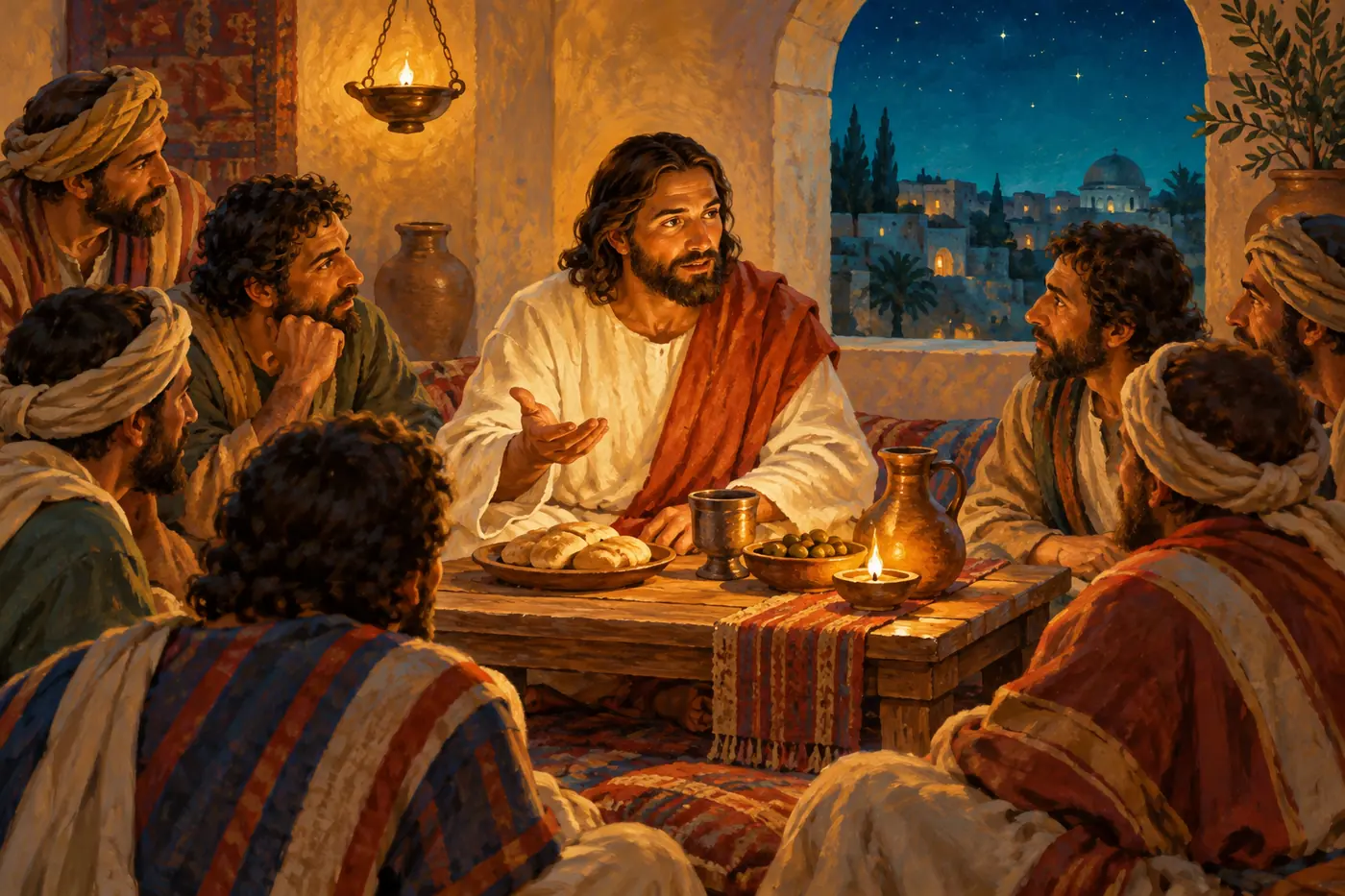
Jesus does not speak as though he is the Holy Spirit under another name. He asks the Father to give “another Helper.” He says that he will send the Helper from the Father, that the Spirit proceeds from the Father, and that the Spirit will testify concerning him.
John 16 continues the same pattern: the Spirit hears, speaks, takes what belongs to Christ, declares it, and glorifies the Son. These are relationships, not empty labels: the Son sends, the Spirit testifies, and the Spirit glorifies the Son. Lee’s claim that the Son and Spirit are one person turns these relationships into one person sending himself and testifying about himself.
“We may say that the Son is the Father (Isa. 9:6), and that the Spirit is the Son (2 Cor. 3:17).”
“The Father, the Son, and the Spirit are not three separate persons or three Gods; they are one God, one reality, one person.”
Jesus on the Spirit
- The Father will give “another Helper”John 14:16
- The Son sends the Spirit from the FatherJohn 15:26
- The Spirit testifies of the SonJohn 15:26
- “He will glorify Me”John 16:14
Lee
- “The Spirit is the Son”The Divine Economy
- “One God, one reality, one person”The Triune God to Be Life to the Tripartite Man
If the Son and the Spirit were one person, the Son would be sending himself and testifying about himself.
“The Spirit was not yet” does not mean the Spirit did not exist
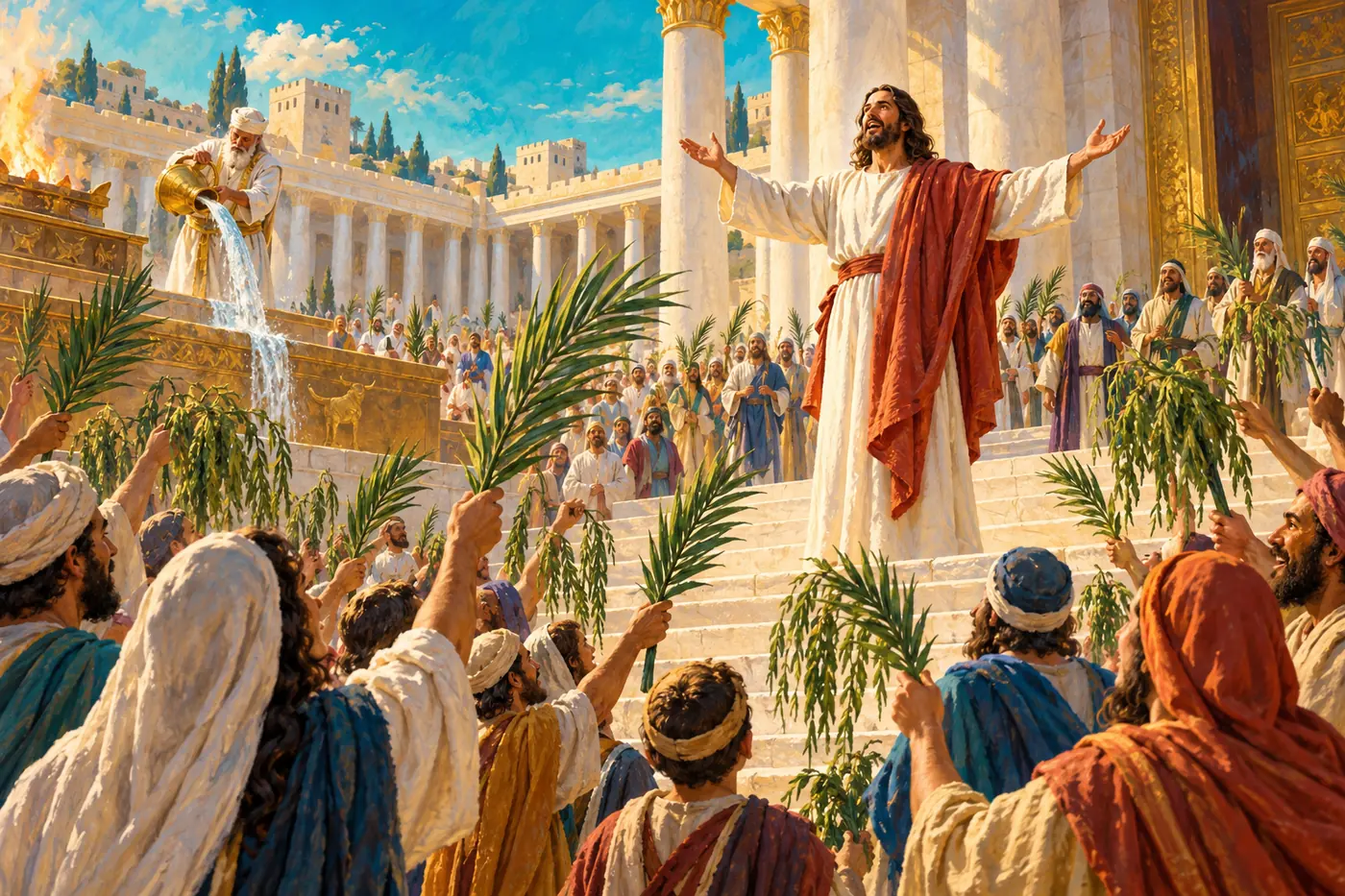
Lee often connects 1 Corinthians 15:45 with John 7:39: “the Spirit was not yet, because Jesus was not yet glorified.” But John cannot mean that the Holy Spirit did not exist before Jesus’ glorification. The Spirit appears in the Old Testament and, as the Gospels show, in Christ’s conception, baptism, and ministry.
The immediate setting concerns the Spirit’s future gift to believers. The Spirit had not yet been given in the way associated with the glorified Christ; that does not mean Christ became the Spirit. John 7:39 speaks of the Spirit’s new-covenant gift without erasing the distinction between the Son and the Spirit.
Commentators old and new do not read 2 Corinthians 3:17 as Lee does
Lee treats Paul’s statement, “the Lord is the Spirit,” as support for saying that the Son and the Holy Spirit are the same person. Historic interpreters do not use the passage that way. They do not turn it into Lee’s claim that “the Spirit is the Son” (The Divine Economy, Chapter 9 ↗).
John Chrysostom ↗ reads the chapter as a contrast between the letter and the Spirit. He connects verse 17 with “the Spirit gives life” and “the ministry of the Spirit,” then says that Paul is speaking of the Spirit, the Paraclete: “the Spirit is the Lord.” Chrysostom’s point is that the Holy Spirit is Lord. He does not say that the Son became the Holy Spirit or that the Son and the Spirit are one person.
Augustine makes the distinction explicit. Discussing 2 Corinthians 3:17, he says that the Holy Spirit is called Lord and adds that Paul’s next phrase, “where the Spirit of the Lord is,” prevents readers from thinking that the Son is signified and called Spirit merely because he is incorporeal. Augustine identifies the Spirit of the Lord as the Holy Spirit.
Later commentators do not reach Lee’s conclusion either. Ellicott takes “turning to the Lord” in verse 16 to mean turning to the Lord Jesus and reads the verse alongside the ministry of the Spirit. The Pulpit Commentary ↗ likewise connects the verse with the life-giving Spirit and freedom in the new covenant. Neither commentator says the Son and Holy Spirit are one person.
Paul has already spoken of “the Spirit of the living God,” the Spirit who gives life, and the ministry of the Spirit. He then describes turning to the Lord, the removal of the veil, freedom, and believers being changed as they behold the Lord’s glory. The context concerns the Spirit’s life-giving work in the new covenant, not an identification of the Son and the Spirit as one person.
 John Chrysostomc. 347–407 · Antioch
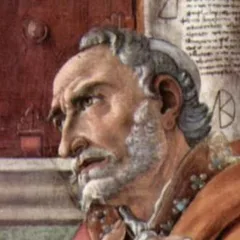 Augustine of Hippo354–430 · North Africa
Both read “the Spirit” in this verse as the Holy Spirit. Neither says the Son became the Spirit.
Chrysostom: icon by Dionisius (1502). Augustine: Sandro Botticelli, fresco in the Ognissanti, Florence. Public domain.
Commentators
- The Spirit, the Paraclete, is LordChrysostom, Homily 7 on 2 Corinthians
- “The Spirit of the Lord” is the Holy Spirit, not the Son called SpiritAugustine, On the Trinity, Book II
- Turning to the Lord Jesus, under the ministry of the SpiritEllicott
- The Spirit who gives life and freedom in the new covenantPulpit Commentary
Lee
- “The Spirit is the Son”The Divine Economy
None of the four makes the Son and the Holy Spirit one person.
Isaiah 9:6 does not make the Son the Father
Isaiah 9:6 calls the promised Son “Everlasting Father,” but the title does not by itself say that the Son is the same person as the Father. The New Testament shows the Son praying to the Father (John 17:1–5), coming from and returning to the Father (John 16:28), and sitting at the Father’s right hand (Hebrews 1:3).
The title “Everlasting Father” cannot overturn the New Testament’s repeated distinction between the Father and the Son. Lee uses it to support formulas that identify the Son and Spirit as one person, but the biblical text does not permit that conclusion.
The real problem with Lee’s doctrine
Lee’s doctrine does not preserve the distinctions the New Testament repeatedly presents. The Father sends the Son. The Son prays to the Father. The Father and Son send the Spirit. The Spirit proceeds from the Father, bears witness concerning the Son, and glorifies the Son. These are not temporary roles played by one person. They are the relationships the New Testament gives between the Father, the Son, and the Spirit.
Lee retains the language of Father, Son, and Spirit while also saying that they are “one person” (The Triune God to Be Life to the Tripartite Man ↗) and that “the Spirit is the Son” (The Divine Economy, Chapter 9 ↗). He says Christ became the life-giving Spirit, yet the Spirit was already present and active before the resurrection and is tied to raising Jesus from the dead. The result is a theological maze built around an avoidable confusion: moving from Christ’s life-giving ministry to an identification of the Son with the Holy Spirit.
The biblical teaching is simpler. The Father, Son, and Spirit are one God, yet they are distinct persons. The risen Son gives his life to believers through the Holy Spirit; the Spirit does not become the Son, and the Son does not become the Spirit. First Corinthians 15:45 teaches that the risen Christ gives life. It does not require readers to conclude that Christ became the same person as the Holy Spirit.
Scripture considered in this post
45And so it is written, “The first man Adam became a living being.” The last Adam became a life-giving spirit.
Paul contrasts Adam as a living being with Christ as life-giving. The question is whether the verse also says that the Son and the Holy Spirit are one person.
16And I will pray the Father, and He will give you another Helper, that He may abide with you forever—
17the Spirit of truth, whom the world cannot receive, because it neither sees Him nor knows Him; but you know Him, for He dwells with you and will be in you.
Jesus asks the Father to give another Helper, the Spirit of truth.
26But when the Helper comes, whom I shall send to you from the Father, the Spirit of truth who proceeds from the Father, He will testify of Me.
The Son sends the Spirit from the Father; the Spirit testifies concerning the Son.
13However, when He, the Spirit of truth, has come, He will guide you into all truth; for He will not speak on His own authority, but whatever He hears He will speak; and He will tell you things to come.
14He will glorify Me, for He will take of what is Mine and declare it to you.
The Spirit hears, speaks, takes what belongs to Christ, declares it, and glorifies him.
39But this He spoke concerning the Spirit, whom those believing in Him would receive; for the Holy Spirit was not yet given, because Jesus was not yet glorified.
The NKJV supplies “given,” making explicit the verse’s focus on the Spirit’s future gift to believers.
6For unto us a Child is born, Unto us a Son is given; And the government will be upon His shoulder. And His name will be called Wonderful, Counselor, Mighty God, Everlasting Father, Prince of Peace.
The promised Son receives the title Everlasting Father; the verse does not say that the Father and Son are the same person.
1Jesus spoke these words, lifted up His eyes to heaven, and said: “Father, the hour has come. Glorify Your Son, that Your Son also may glorify You,”
5“And now, O Father, glorify Me together with Yourself, with the glory which I had with You before the world was.”
Jesus addresses the Father and speaks of the glory he had with the Father before the world existed.
28“I came forth from the Father and have come into the world. Again, I leave the world and go to the Father.”
Jesus describes coming from the Father and returning to the Father.
3who being the brightness of His glory and the express image of His person, and upholding all things by the word of His power, when He had by Himself purged our sins, sat down at the right hand of the Majesty on high,
The Son is described as seated at the right hand of the Majesty on high.
6who also made us sufficient as ministers of the new covenant, not of the letter but of the Spirit; for the letter kills, but the Spirit gives life.
Paul introduces the chapter’s contrast between the letter and the Spirit’s life-giving new-covenant ministry.
8how will the ministry of the Spirit not be more glorious?
Paul explicitly calls his subject the ministry of the Spirit.
16Nevertheless when one turns to the Lord, the veil is taken away.
17Now the Lord is the Spirit; and where the Spirit of the Lord is, there is liberty.
18But we all, with unveiled face, beholding as in a mirror the glory of the Lord, are being transformed into the same image from glory to glory, just as by the Spirit of the Lord.
The paragraph describes turning to the Lord, unveiled beholding of the Lord’s glory, and transformation by the Spirit of the Lord.